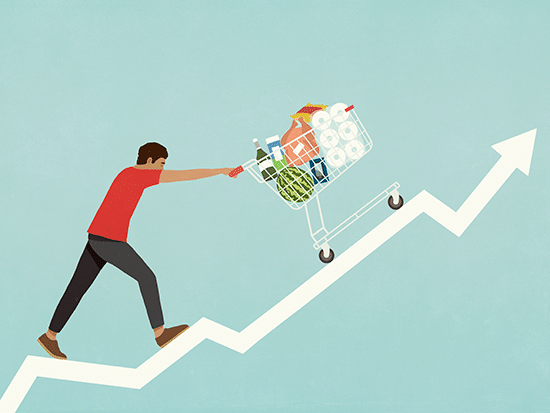
When prices rise faster than expected and everyday life becomes more expensive, many people begin to feel a sense of pressure. Groceries cost more, transportation becomes pricier, and monthly budgets start to feel tighter.
This situation, often called inflation, touches everyone in some way. But while rising prices create challenges, they also present a chance to rethink habits, reassess priorities, and build stronger financial strategies.
In this article, we discuss eight smart moves that can help you stay steady, protect your money, and maintain control even when the cost of living continues to climb. These approaches are practical, realistic, and based on methods many people use successfully during periods of high inflation.
1. Track Your Expenses More Closely
When prices rise, the first and most effective step is gaining a clear picture of your spending. Many people underestimate how much they spend on small daily items, subscription services, or impulse purchases.
Start by tracking every expense for at least a month. This alone can be eye-opening. Once you see where your money goes, you can decide which expenses are essential and which ones can be reduced or removed.
Even small adjustments—like choosing generic brands, preparing more meals at home, or canceling unused services—can make a noticeable difference. Understanding your spending patterns gives you control in a time when many things feel uncertain.
2. Adjust Your Budget to Reflect New Realities
A budget that worked well last year may no longer fit today’s prices. Rising costs require a new plan. After tracking your expenses, update your budget so it reflects current prices rather than old expectations.
Allocate more to categories like food, gas, or utilities if needed, and reduce spending elsewhere to balance things out. Creating a flexible budget helps you stay grounded and prevents you from feeling overwhelmed when prices shift.
The goal is not to cut everything but to make sure your money is directed toward what matters most. A realistic, updated budget becomes a map that helps you navigate rising costs with confidence.
3. Build a Stronger Emergency Cushion
When the cost of living rises, financial safety becomes more important than ever. An emergency fund acts as a buffer that protects you from unexpected expenses—car repairs, medical bills, or sudden income changes.
If you already have savings, consider increasing your contributions, even if only slightly. If you’re just starting, focus on consistency rather than amount.
Small, steady deposits add up over time and can provide valuable security. An emergency cushion reduces stress and prevents you from relying on credit cards or loans, which can become expensive during inflation. The confidence that comes from having savings makes difficult periods easier to handle.
4. Consider Ways to Boost Your Income
When prices rise quickly, reducing expenses alone is often not enough. Finding new ways to increase income can help balance the impact of inflation. This might include requesting additional hours at work, seeking a promotion, negotiating a raise, or exploring part-time opportunities.
Side income options—freelancing, tutoring, content creation, offering specialized skills, or selling products online—can also provide important extra earnings. The goal is not to overwork yourself but to create financial breathing room.
Additional income offers more flexibility and allows you to keep progressing toward your goals even as costs increase. Many people discover new talents or career paths through these extra opportunities.
5. Pay Down High-Interest Debt
Inflation affects debt differently depending on the interest rate, but high-interest debt is always a risk during periods of rising prices. Credit card balances, payday loans, and other expensive debts can become even harder to manage as everyday costs rise.
Reducing or eliminating these debts should be a priority. Start with the debt that has the highest interest rate and work downward. If possible, consider negotiating lower rates or consolidating balances into a more manageable payment plan.
Paying off expensive debt frees up income, reduces financial stress, and protects you from falling into a cycle where high interest keeps you from moving forward. Even small progress can make a meaningful difference.
6. Be Strategic With Your Purchases
During inflation, the way you shop becomes especially important. Smart purchasing habits can save you significant money over time. Compare prices between stores, use digital coupons or loyalty programs, and buy in bulk when discounts are meaningful.
At the same time, avoid bulk purchases of items you rarely use, as this can lead to waste instead of savings. Buying seasonal produce, choosing store brands, and waiting for sales on non-essential items are simple habits that help stretch your budget.
Planning your purchases reduces the influence of impulse buying, which often becomes more tempting when you feel stressed about rising prices. A thoughtful shopping approach brings immediate and noticeable benefits.
7. Protect Yourself From Emotional Spending
Periods of financial stress often lead people to make emotional decisions with their money. Shopping to relieve anxiety, spending impulsively, or making rushed financial choices can become more common when prices rise.
But these behaviors usually create more stress later. One helpful strategy is applying a “pause rule”—for example, waiting 24 hours before buying anything not planned in your budget. This prevents impulse purchases and helps you think clearly.
Another approach is identifying emotional triggers that lead to overspending and finding healthier ways to manage them, such as exercising, journaling, or speaking with a friend. Protecting yourself from emotional spending keeps your financial goals intact during difficult times.
8. Focus on Long-Term Stability, Not Short-Term Fear
Rising prices can create anxiety, especially when it seems like costs are climbing faster than you can adjust. But reacting with fear can lead to decisions that do more harm than good. It is important to remember that inflation, while difficult, is not permanent.
Economic conditions change, prices stabilize, and opportunities eventually return. Focusing on long-term stability helps you stay grounded.
This means continuing to save, maintaining healthy financial habits, and keeping your long-term goals in mind even when short-term challenges arise. Staying calm, informed, and strategic ensures that temporary conditions do not derail your future.
See more:

 15 Simple Financial Rules That Actually Work
  8 Signs Your Loan Is Holding You Back Financially
  12 Ways to Invest Smarter Without Timing the Market