You might not think about economic policy while buying groceries, filling your gas tank, or applying for a loan — but it quietly shapes almost every financial decision you make.
From how much you earn to what you pay for everyday goods, government policies play a powerful role in determining your personal financial health.
Understanding how these forces work can help you make smarter money choices, especially during uncertain times.
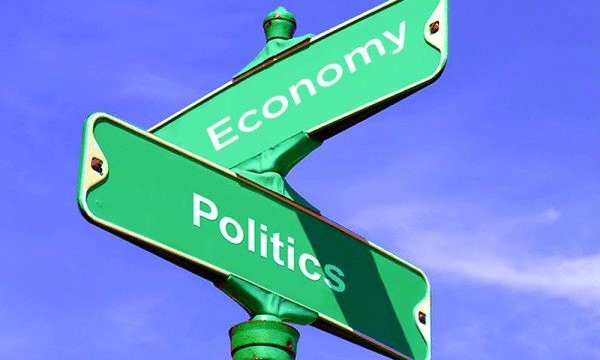
7 Ways Economic Policies Affect Your Wallet
Here are seven key ways economic policies directly impact your wallet.
1. Inflation and the Cost of Living
Inflation is one of the most visible results of economic policy. When governments or central banks — like the Federal Reserve — make decisions that influence the money supply, prices often respond. If too much money circulates in the economy, demand can rise faster than supply, leading to higher prices for everything from groceries to rent.
On the other hand, policies aimed at controlling inflation — such as raising interest rates — can make borrowing more expensive. That means higher mortgage rates, costlier car loans, and increased credit card interest. For the average person, it’s a balancing act: inflation eats away at purchasing power, but tightening measures can slow growth and affect job stability. Understanding how inflation policies work helps you anticipate changes in living costs and adjust your budget accordingly.
2. Tax Policies and Your Take-Home Pay
Taxes are one of the most direct connections between policy and your finances. Changes in tax rates, deductions, and credits can instantly alter your paycheck and spending capacity. When governments reduce income taxes, people often have more money to spend or save, which can stimulate the economy. However, when taxes rise, disposable income shrinks, and households may cut back on non-essential expenses.
It’s not just about income tax, either. Policies on corporate taxes influence the prices you pay as companies pass on costs to consumers. Sales taxes, property taxes, and capital gains taxes also affect your financial picture — from daily purchases to long-term investments. Staying informed about tax changes ensures you can plan ahead, maximize deductions, and avoid surprises during tax season.
3. Employment and Wage Policies
Labor laws and employment policies directly affect job opportunities, wages, and benefits. Minimum wage laws, for instance, determine the baseline pay workers receive. When governments increase minimum wages, low-income earners often benefit through higher take-home pay — but businesses might respond by raising prices or cutting staff.
Policies around job training, worker protections, and unemployment benefits also shape how secure and adaptable the labor market is. For example, stimulus packages during economic downturns often aim to protect jobs or provide temporary income support. These measures can make a big difference in maintaining household stability during challenging economic periods.
4. Interest Rate Decisions and Borrowing Costs
The Federal Reserve’s interest rate policies can feel distant — until you look at your credit card bill or mortgage statement. When rates go up, borrowing money becomes more expensive, whether for buying a home, financing a car, or carrying credit card debt. This often cools consumer spending and slows inflation, but it also makes financing major purchases harder.
Conversely, when interest rates are low, borrowing becomes cheaper. That can boost consumer confidence, increase home buying, and make business loans more accessible. However, it can also fuel inflation if demand outpaces supply. Keeping an eye on rate announcements can help you decide when to refinance, take out a loan, or prioritize paying down variable-rate debt.
5. Government Spending and Social Programs
Fiscal policy — the government’s approach to spending and budgeting — influences not only the overall economy but also your day-to-day financial security. When governments invest in infrastructure, education, and healthcare, they often create jobs and improve long-term productivity. Programs like unemployment benefits, social security, and healthcare subsidies can also provide crucial financial support for individuals and families.
However, higher government spending can increase national debt, leading to potential future tax hikes or inflationary pressures. Conversely, spending cuts may reduce services that citizens rely on. The key takeaway is that fiscal decisions ripple through the economy, affecting both direct benefits and the broader financial environment in which households operate.
6. Trade Policies and the Prices You Pay
Global trade policies might sound like something only corporations care about, but they have a tangible impact on your wallet. Tariffs, import taxes, and trade agreements influence the prices of everyday goods — from electronics and cars to clothing and groceries.
For instance, when tariffs are imposed on imported products, companies often pass the higher costs on to consumers. On the flip side, free trade agreements can lower prices by increasing competition and reducing barriers. Trade policies also affect jobs in export-dependent industries and determine the availability of certain goods. Whether you notice it at the gas pump or in the supermarket, trade decisions often show up in your receipt totals.
7. Housing and Monetary Policies
Few areas of personal finance are as heavily influenced by government policy as housing. Central bank decisions on interest rates directly shape mortgage costs, while housing regulations and incentives can affect rent prices and property values. When policies encourage homeownership through tax breaks or low-interest loans, demand tends to rise — which can push prices higher in competitive markets.
Meanwhile, local zoning laws and development incentives determine how much new housing is built, influencing supply and affordability. In times of economic stress, governments may introduce programs to help struggling homeowners or prevent foreclosures, stabilizing neighborhoods and the broader economy. If you own or rent, staying aware of these policies helps you understand market trends and make informed housing decisions.
How Policy Decisions Ripple Through Everyday Life
Economic policies might be made in government offices or financial institutions, but their impact reaches every household. Whether it’s a paycheck that stretches a bit less because of inflation or a loan that costs more due to interest rate hikes, policy decisions shape the financial landscape in which we live.
The challenge — and the opportunity — lies in awareness. You don’t need to be an economist to see how policy shifts affect your wallet. Paying attention to headlines about tax reforms, rate decisions, or new trade agreements can help you make proactive moves: refinancing debt before rates rise, adjusting your investments to hedge against inflation, or setting aside savings when stimulus funds are abundant.
Understanding economic policy isn’t just about being informed; it’s about empowerment. When you know what’s driving financial changes, you can respond with confidence rather than confusion. You’ll recognize that a rise in grocery prices might not just be corporate greed — it could be the result of a global supply policy or a tariff decision. Likewise, you’ll see that lower mortgage rates might signal an opportunity to refinance and reduce long-term costs.
Building Financial Resilience Through Awareness
Ultimately, your wallet is a reflection of broader economic dynamics. By paying attention to the policies that shape those dynamics, you position yourself to adapt rather than react. In times of inflation, that might mean prioritizing debt repayment or exploring investments that hedge against rising prices. During periods of low interest rates, it could mean seizing opportunities to borrow strategically for education or housing.
Economic policies will continue to shift with each administration, crisis, or global event — but the habit of staying informed remains a timeless financial strategy. Understanding how these seven policy areas influence your finances gives you the insight to make smarter decisions, protect your resources, and plan for the future with clarity.
See more:

 15 Simple Financial Rules That Actually Work
  8 Signs Your Loan Is Holding You Back Financially
  12 Ways to Invest Smarter Without Timing the Market